
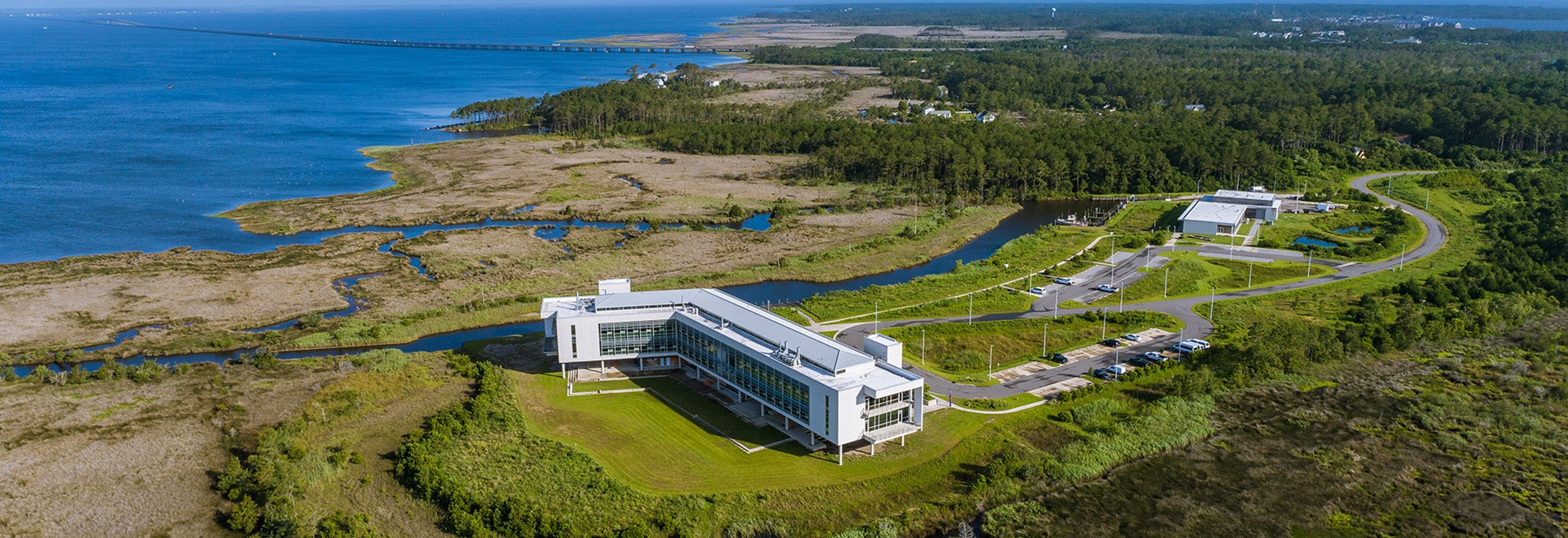
Coastal Studies Institute
The Coastal Studies Institute at ECU’s Outer Banks Campus is a multi-institutional research and educational partnership of the UNC System.

Learn more about ECU
There is something for everyone. With the widest range of academic programs in North Carolina, ECU is consistently a top-choice university.

Student Life at ECU
Learn more about life on campus at ECU. Virtually tour residence halls, explore campus neighborhoods and learn about Living Learning Communities.

Innovation Driven
ECU recorded $85.6 million in sponsored awards that fund innovative and impactful projects serving eastern North Carolina and communities around the globe.

The Pirate Experience
Take a look at the hundreds of student organizations, club sports, and recreation and wellness programs that make life at ECU an amazing experience.

The Princeton Review: 2024 Best 389 Colleges

in producing medical grads who practice in N.C.

Graduate programs, U.S. News & World Report

For commitment to economic engagement

Top Colleges for Diversity, Twelve-time recipient
IN THE NEWS
MORE NEWS
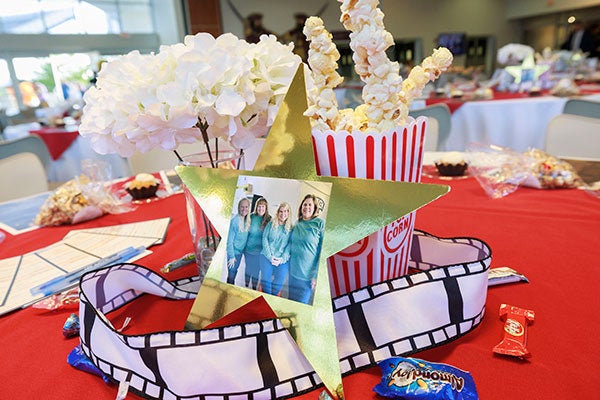
Hospitality management students gained real-world experience as they planned and executed the A Night at Awaken gala.
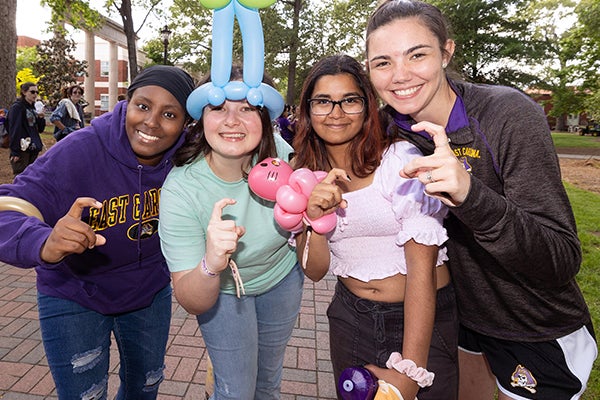
Barefoot on the Mall is an ECU tradition that takes place on the last day of class and offers students a chance to relax before…
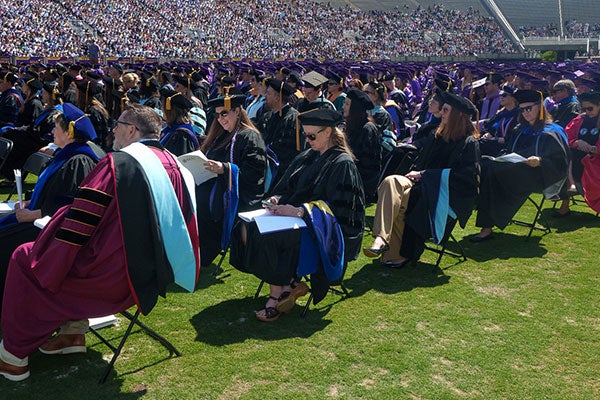
Ronnie Barnes will be the keynote speaker at East Carolina University’s spring commencement ceremony.

ECU recognized the hard work of its faculty members at the 2023-24 University Teaching Awards ceremony. Chemistry’s Anne Spuches received the Board of Governors Award…
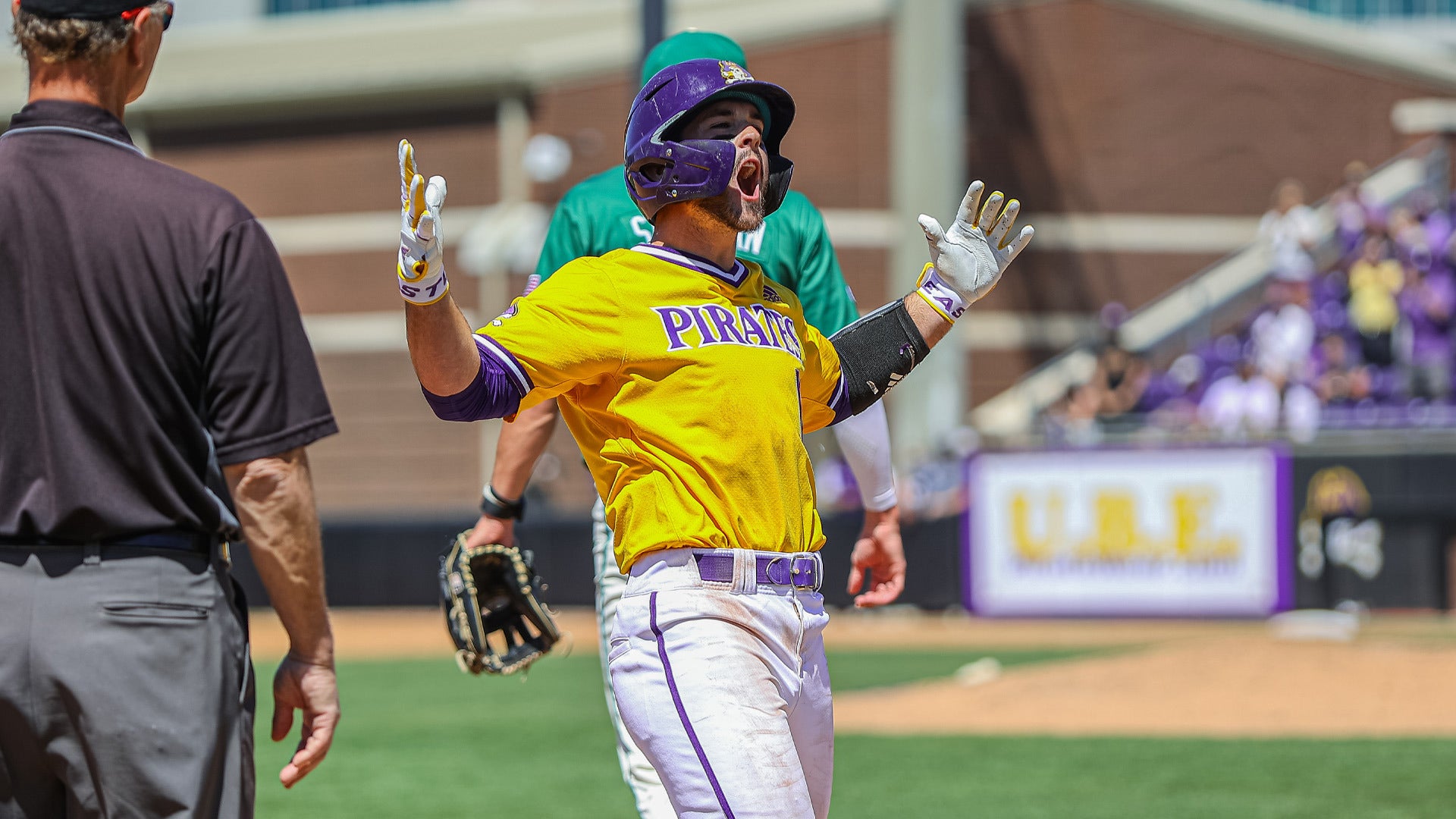
East Carolina swept the weekly American Athletic Conference baseball awards for the second time this season as junior outfielder Ryley Johnson and junior RHP Trey…




PIRATE PROFILES


CAMPUS SNAPSHOT
Explore ECU through the lenses of our university’s photographers.

May
03
May
27