
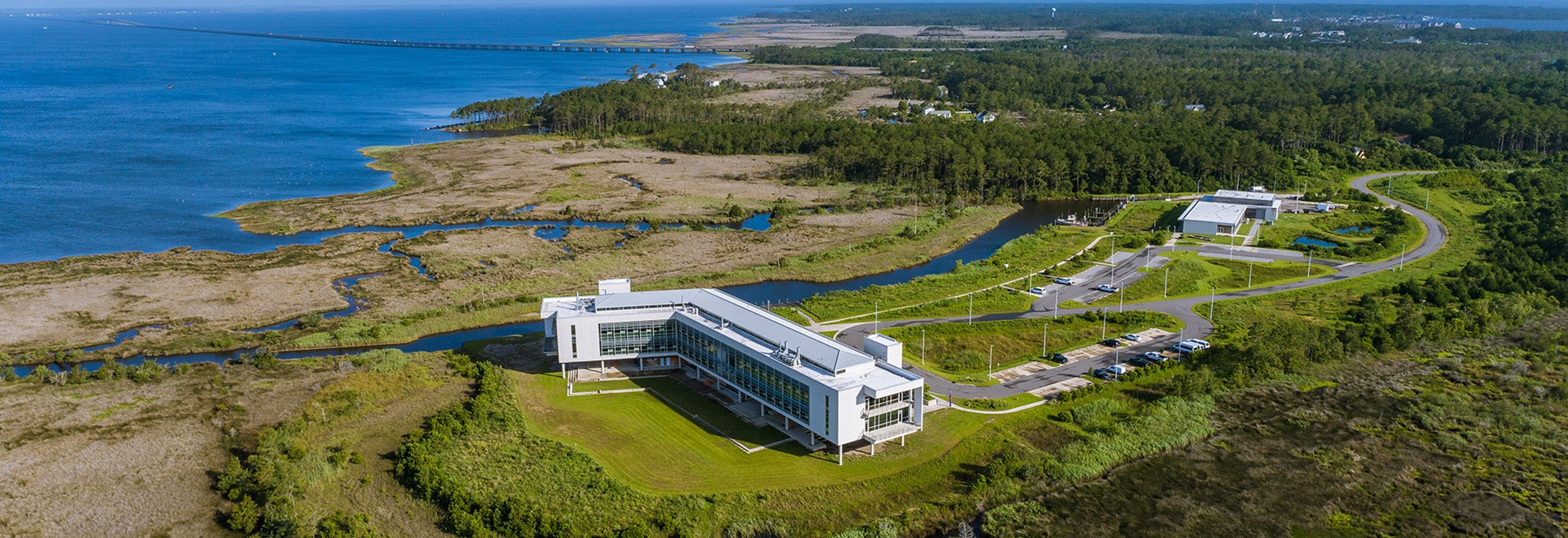
Coastal Studies Institute
ECU Integrated Coastal Programs and the Coastal Studies Institute will host an open house at the ECU Outer Banks Campus on April 20.
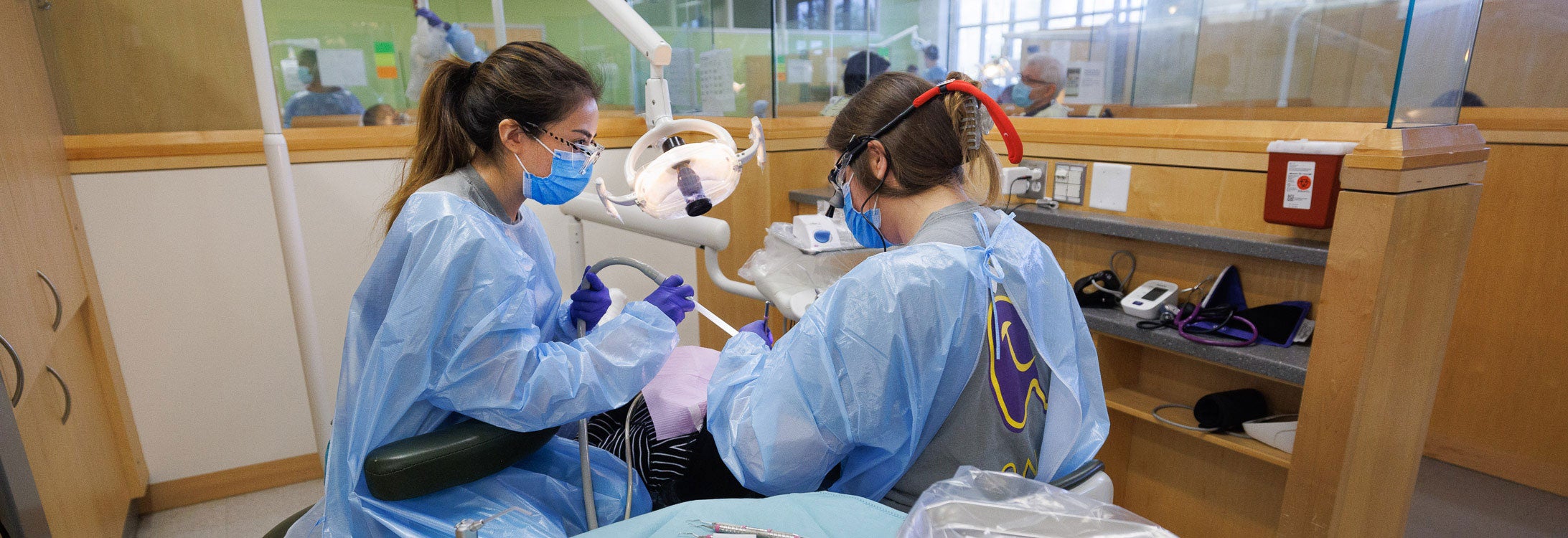
Learn more about ECU
There is something for everyone. With the widest range of academic programs in North Carolina, ECU is consistently a top-choice university.

Student Life at ECU
Learn more about life on campus at ECU. Virtually tour residence halls, explore campus neighborhoods and learn about Living Learning Communities.
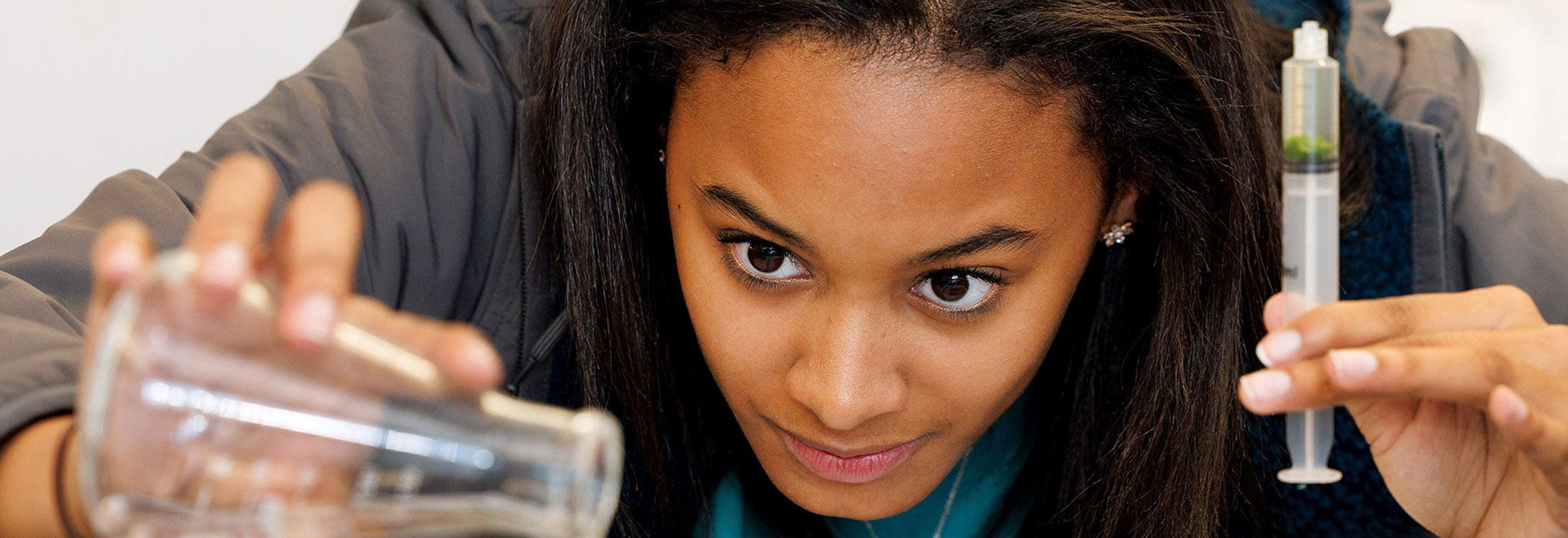
Innovation Driven
ECU recorded $85.6 million in sponsored awards that fund innovative and impactful projects serving eastern North Carolina and communities around the globe.
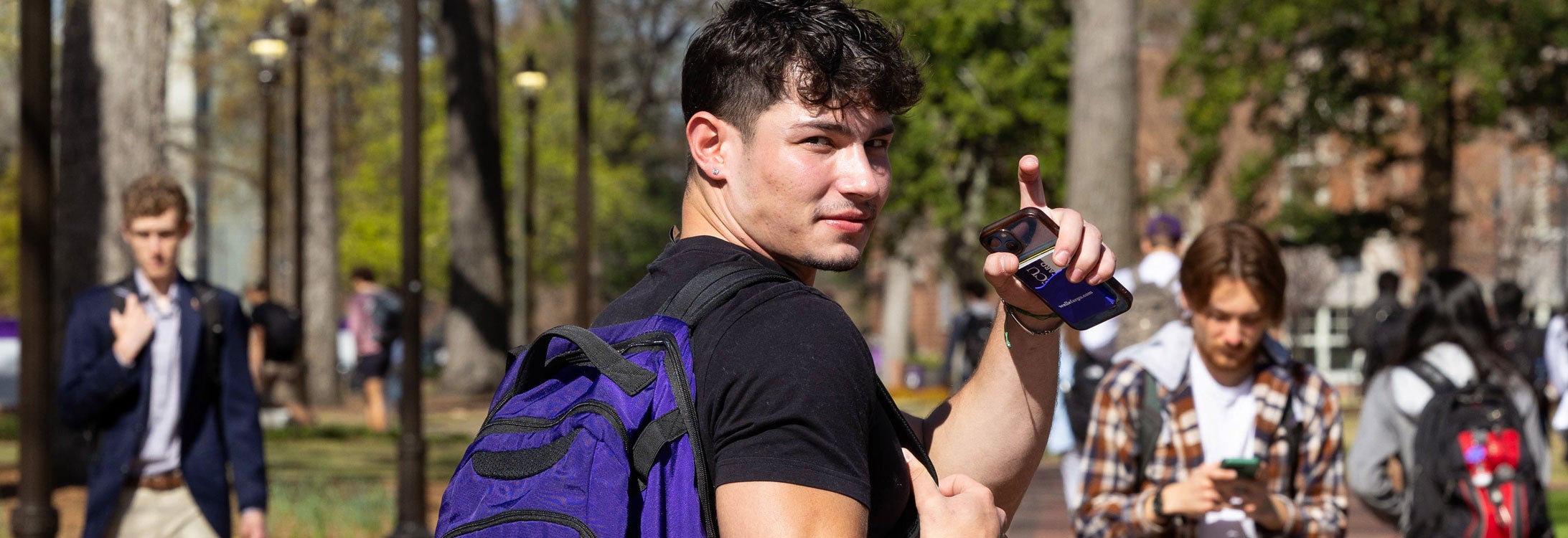
The Pirate Experience
Take a look at the hundreds of student organizations, club sports, and recreation and wellness programs that make life at ECU an amazing experience.

The Princeton Review: 2024 Best 389 Colleges

in producing medical grads who practice in N.C.

Graduate programs, U.S. News & World Report

For commitment to economic engagement

Top Colleges for Diversity, Twelve-time recipient
IN THE NEWS
MORE NEWS

The medical student-led Pirates vs. Cancer annual event raised money to benefit pediatric cancer patients at Maynard Children’s Hospital.
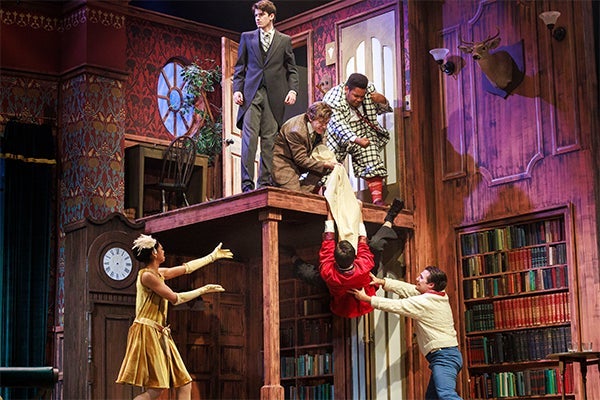
Prepare for the unexpected and lots of laughs in the School of Theatre and Dance’s production of ‘The Play That Goes Wrong.’
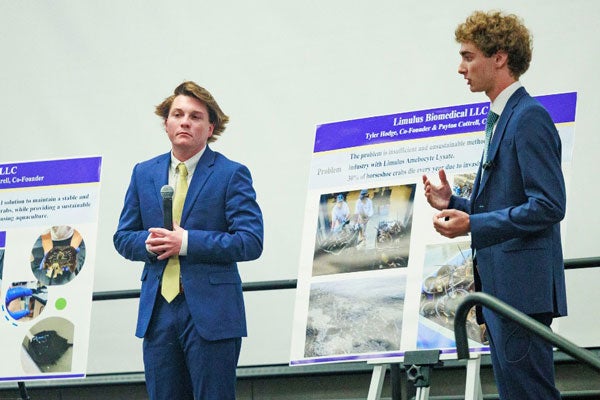
Seventh Pirate Entrepreneurship Challenges finds winning idea in the ocean.
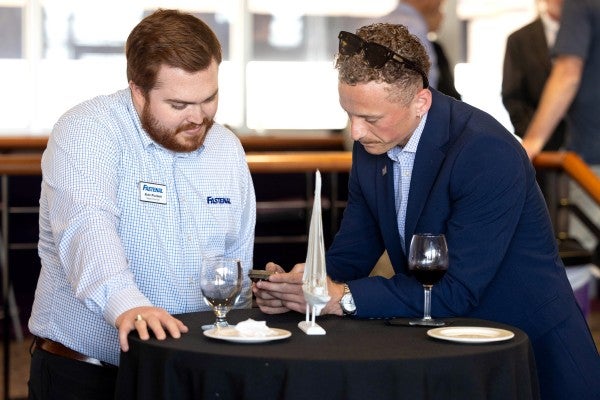
With coursework out of the way, the inaugural cohort of the Immersive MBA pathway turn their industrious sites to the region
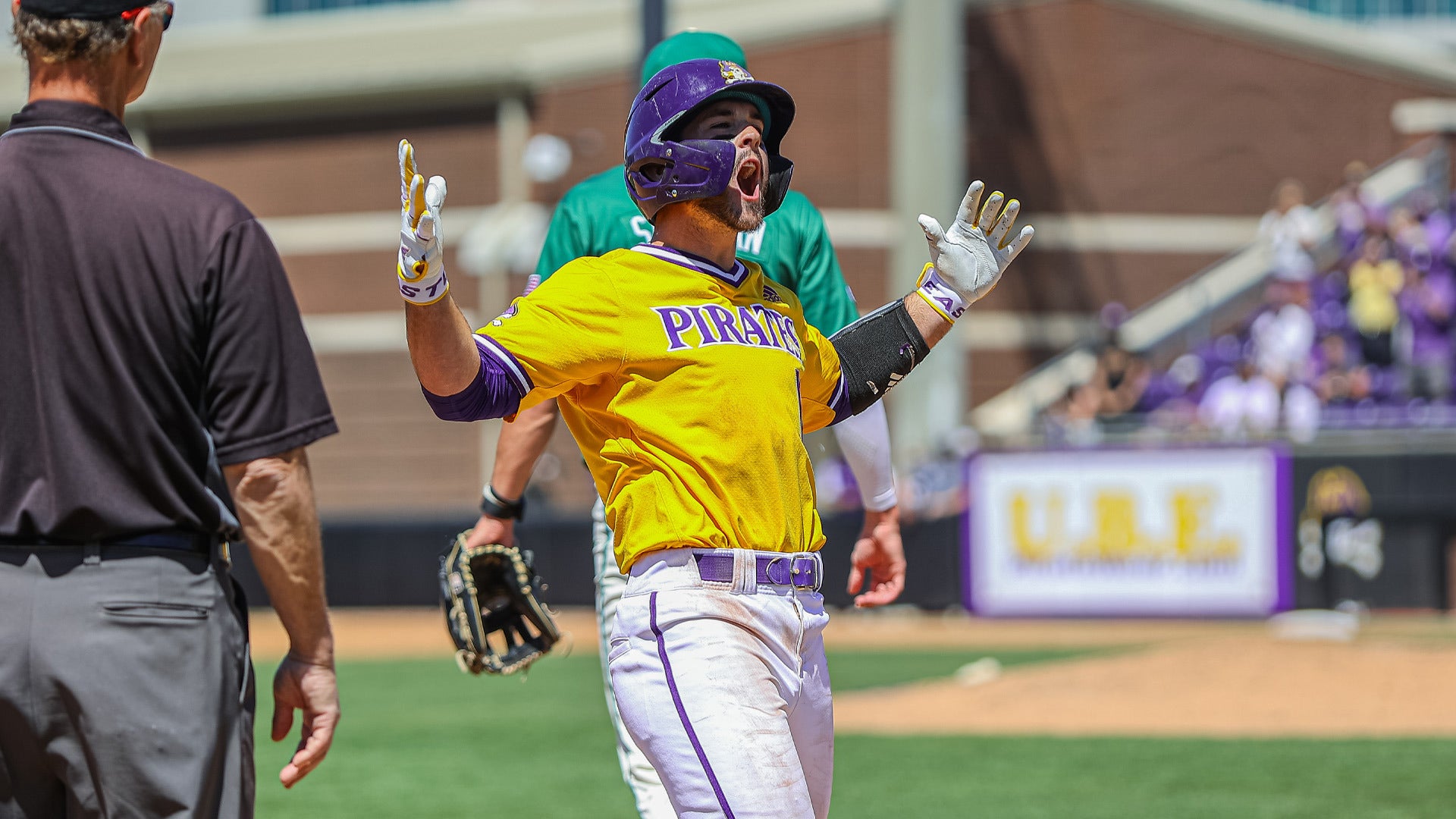
East Carolina swept the weekly American Athletic Conference baseball awards for the second time this season as junior outfielder Ryley Johnson and junior RHP Trey…




PIRATE PROFILES


CAMPUS SNAPSHOT
Explore ECU through the lenses of our university’s photographers.


Apr
18
Messick Theatre Arts Center